
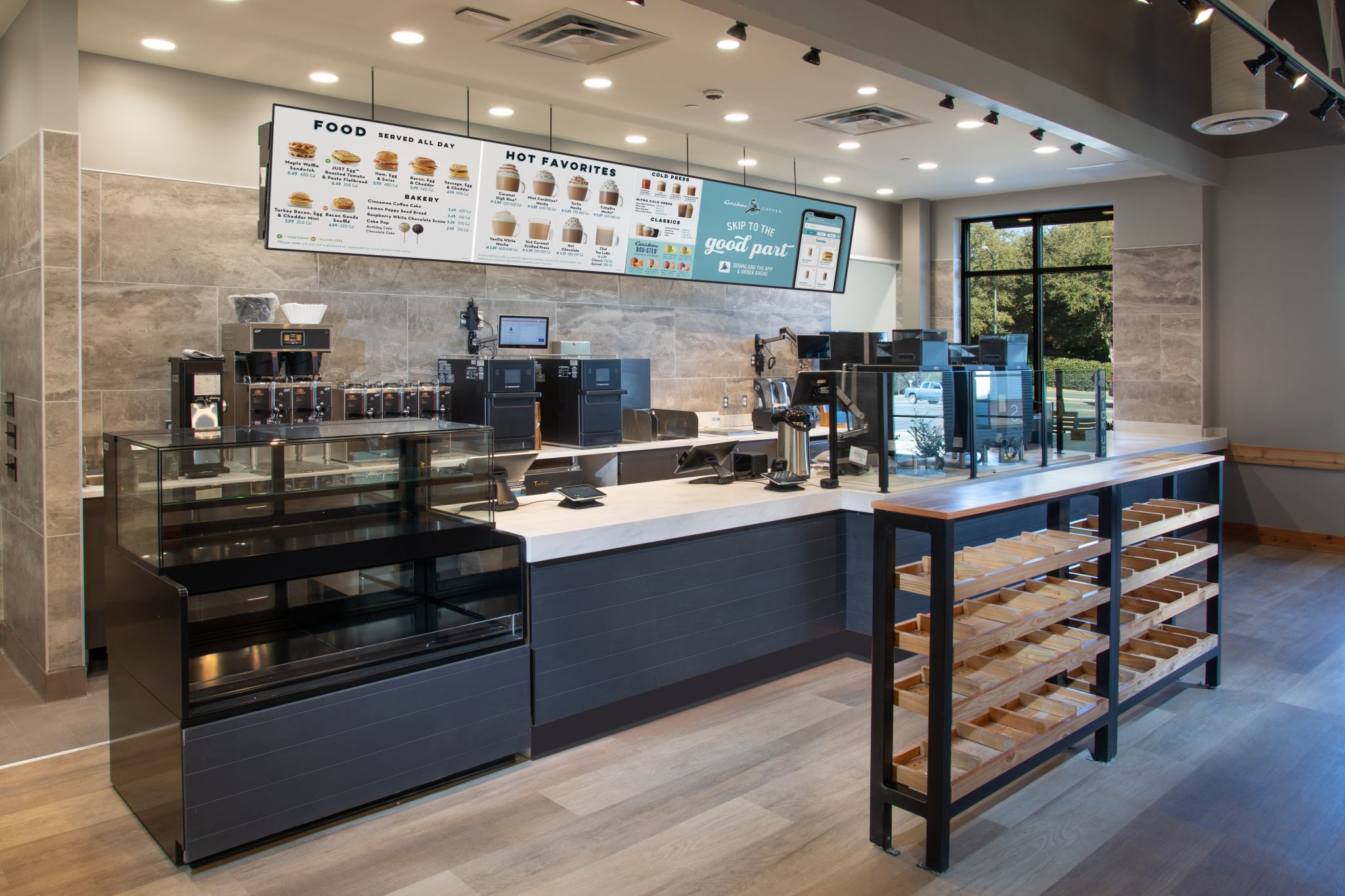
Custom millwork doesn’t start in a shop – and it certainly doesn’t end when the last piece is fabricated. A successful millwork project is the result of careful planning, collaboration, and execution at every stage. While the finished product often looks seamless, there’s a lot happening behind the scenes to make it all come together.
Here’s a closer look at what actually goes into a custom millwork project from start to finish.
1. Translating Design Into Build-Ready Details
Every project begins with design intent. Architectural drawings and renderings set the vision, but they don’t always answer the practical questions: How will this be built? What materials will perform best? How do all the components come together on-site?
This is where detailed shop drawings come in. Dimensions are refined, tolerances are addressed, materials are confirmed, and construction methods are planned – all with the goal of turning a concept into something that can be fabricated accurately and efficiently.
2. Engineering, Materials, and Real-World Considerations
Millwork must do more than look good. It has to meet structural requirements, withstand daily use, and integrate with surrounding systems like lighting, electrical, and HVAC.
During this phase, materials and finishes are evaluated not just for appearance, but for durability, maintenance, and long-term performance. Small decisions here – like substrate selection or joinery methods – can make a big difference later.
3. Prototyping and Mockups
For complex details or highly visible elements, prototypes and mockups help confirm expectations before full production begins. This step allows teams to review finishes, proportions, and functionality in real life – not just on paper – reducing surprises down the road.
4. Fabrication in the Shop
Once approvals are in place, fabrication begins. Skilled craftsmen bring the drawings to life, maintaining tight quality control throughout the process. Precision here is key – every component needs to be built to spec so installation goes smoothly.
5. Installation and On-Site Coordination
The final phase is installation, where planning meets reality. Successful installation depends on coordination with other trades, accurate site conditions, and clear communication. When everything aligns, the result is millwork that fits perfectly and performs exactly as intended.
The takeaway:
Great millwork isn’t just about craftsmanship – it’s about process. When design, engineering, fabrication, and installation work together, the final result feels effortless.
Hi, this is a comment.
To get started with moderating, editing, and deleting comments, please visit the Comments screen in the dashboard.
Commenter avatars come from Gravatar.